







Imagine catching a fraudster the very moment they try to steal from you. What if your systems could spot suspicious activity in just seconds—before any damage is done?
That’s exactly what AI does. It scans vast amounts of data instantly, learning patterns and identifying threats faster than any human could. If you want to protect your money, your business, or your customers, understanding how AI detects fraud in seconds is key.
Keep reading to discover the secrets behind this powerful technology and how it keeps you one step ahead of fraudsters every single time.
Ai In Fraud Detection
Artificial intelligence has changed how companies fight fraud. It can spot suspicious actions fast. This helps stop fraud before it causes harm.
AI works by learning patterns from data. It notices small changes that might mean fraud. This makes detection more accurate and quicker than before.

Evolution Of Fraud Detection
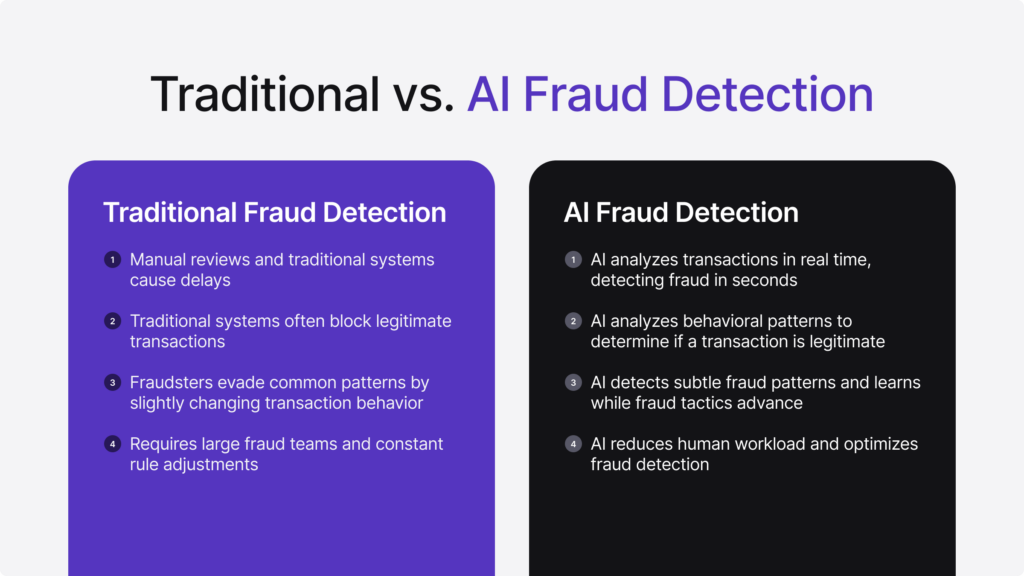
Fraud detection started with manual checks. People looked through records to find mistakes. This method was slow and often missed fraud.
Later, rule-based systems were made. These used fixed rules to catch fraud. They worked better but could not adapt well.
Now, AI uses data and learning to find fraud. It improves with new information. This allows faster and smarter fraud detection.
Role Of Ai Technologies
AI uses several technologies to detect fraud. Machine learning finds unusual patterns in data. It learns from past fraud cases.
Natural language processing helps analyze text data. It can read emails or messages for signs of fraud. This adds another layer of security.
AI systems also use real-time monitoring. They watch transactions as they happen. This lets companies stop fraud in seconds.
Instant Threat Identification
Instant threat identification is a key strength of AI in fraud detection. It allows systems to spot suspicious activities as they happen. This quick detection helps stop fraud before it grows. AI scans vast amounts of data in seconds. It finds risks that humans might miss or find too late. This speed and accuracy protect businesses and customers alike.
Real-time Data Analysis
AI analyzes data as transactions occur. It checks details like time, location, and amount instantly. This real-time approach catches unusual actions fast. For example, it can flag a sudden large purchase from a new device. AI compares current data with past behavior to spot anomalies. This process helps prevent fraud before damage happens. The faster AI reacts, the safer the system stays.
Pattern Recognition Techniques
AI uses pattern recognition to find fraud signs. It learns normal behavior patterns over time. When actions differ from these patterns, AI raises alerts. It detects hidden connections between transactions. These links often reveal fraud rings or repeated scams. AI also adapts to new fraud methods by updating its patterns. This makes AI a powerful tool for ongoing threat detection.
Machine Learning Models
Machine learning models play a key role in detecting fraud quickly and accurately. These models analyze large amounts of data to spot patterns that humans might miss. They learn from past fraud cases and adjust to new threats fast. This ability helps catch suspicious actions in seconds.
Different types of machine learning techniques work together to improve fraud detection. Each method has its own way to identify risky behavior and alert systems instantly. Let’s explore two main types of machine learning used in fraud detection.
Supervised Learning For Fraud
Supervised learning uses labeled data to train models. The data includes examples of both normal and fraudulent transactions. The model learns the features that separate fraud from legitimate activity.
Once trained, the model reviews new transactions in real time. It predicts whether a transaction is likely fraud based on learned patterns. This method is very effective for known fraud types. It improves as more data becomes available.
Unsupervised Anomaly Detection
Unsupervised learning works without labeled data. It looks for unusual or rare behaviors that differ from normal activity. These anomalies often indicate new or hidden fraud cases.
By detecting outliers, the model flags suspicious transactions. This helps catch fraud that does not match known patterns. It continuously adapts to changing fraud tactics. This makes unsupervised methods vital for evolving threats.
Natural Language Processing
Natural Language Processing (NLP) helps AI understand and analyze human language. It lets AI read text and speech to find hidden clues. In fraud detection, NLP spots risky patterns in communication and transactions fast. This skill helps banks and companies stop fraud before damage occurs.
Detecting Suspicious Communication
AI uses NLP to scan emails, messages, and chats for fraud signals. It looks for unusual words, phrases, or tones that hint at scams. For example, urgent requests for money or fake identities raise flags. NLP helps spot deceit even when fraudsters try to hide their intent.
Analyzing Transaction Text Data
Many transactions include text like descriptions or notes. NLP reads this text to find inconsistencies or odd patterns. It checks for repeated phrases or strange wording that may signal fraud. This analysis helps detect fake transactions quickly and accurately.
Behavioral Biometrics
Behavioral biometrics helps AI detect fraud by analyzing how users act. It studies patterns in typing, mouse movements, and device handling. These patterns create a unique profile for each user. AI uses this profile to spot unusual actions quickly. This method adds a strong layer of security beyond passwords or codes.
User Behavior Profiling
AI collects data on how a user interacts with a system. It notes details like typing speed, swipe patterns, and click habits. These behaviors form a detailed profile unique to the user. Over time, AI refines this profile to improve accuracy. This profile acts as a baseline for normal activity.
Identifying Deviations
AI compares current user actions against the stored behavior profile. If actions differ significantly, AI raises a red flag. For example, sudden changes in typing rhythm or device use may indicate fraud. AI can react in seconds to block or alert on suspicious activity. This helps prevent fraud before damage occurs.
Ai-powered Security Tools
AI-powered security tools transform fraud detection by analyzing vast data instantly. These tools spot suspicious actions that humans may miss. They work 24/7, ensuring constant vigilance against fraud attempts. AI adapts quickly to new fraud patterns, staying ahead of criminals. This makes digital transactions safer and more reliable for users worldwide.
Automated Fraud Prevention Systems
Automated fraud prevention systems use AI to monitor transactions in real time. They flag unusual behaviors such as sudden large purchases or location changes. These systems reduce false alarms by learning normal user patterns. Alerts trigger immediate actions to stop fraud before damage occurs. Automation speeds up response times and lowers manual review costs.
Integration With Financial Platforms
AI tools integrate smoothly with banks and payment systems. This connection allows direct access to transaction data for deep analysis. Integration helps identify fraud attempts across multiple accounts or services. It supports compliance with financial regulations by providing detailed reports. Seamless integration improves security without disrupting user experience.
Benefits Of Instant Detection
Instant detection of fraud using AI brings clear advantages to businesses and customers alike. It allows companies to act quickly against fraudulent activities. This rapid response helps stop fraud before it grows or causes serious damage.
Instant detection improves overall security and saves money. It also creates a safer environment, encouraging customers to feel confident and secure with their transactions.
Minimizing Financial Losses
Detecting fraud instantly reduces the amount of money stolen. AI analyzes patterns and flags suspicious activity in real time. This quick action prevents fraudsters from completing harmful transactions.
Businesses save costs related to fraud investigations and recovery. Early detection lowers penalties and legal fees too. Overall, companies keep more of their revenue safe.
Enhancing Customer Trust
Customers trust companies that protect their data and money well. Instant fraud detection shows commitment to security. It reduces the risk of customers falling victim to scams or theft.
When customers feel safe, they return and recommend the business to others. This trust builds long-term loyalty and strengthens brand reputation.
Challenges In Ai Fraud Detection
AI detects fraud quickly but faces several challenges. These issues can affect accuracy and user trust. Understanding these challenges helps improve AI systems for fraud detection.
False Positives And Negatives
False positives occur when AI flags normal actions as fraud. This causes inconvenience to genuine users. False negatives happen when AI misses actual fraud cases. Both errors reduce system reliability and increase costs. Balancing sensitivity and accuracy remains difficult for AI models.
Data Privacy Concerns
AI needs large amounts of data to detect fraud well. Collecting and using this data raises privacy issues. Sensitive information must be protected to avoid misuse. Strict rules limit how data can be shared and analyzed. Ensuring data privacy while maintaining AI effectiveness is a constant challenge.
Future Trends
The future of AI in fraud detection promises faster and smarter solutions. Advances will allow systems to spot fraud with higher accuracy. These improvements will keep businesses and customers safer. AI will keep evolving to meet new fraud tactics.
Collaboration between humans and AI will become more important. Each brings strengths that improve fraud detection. Together, they will handle complex cases better and faster.
Advancements In Ai Algorithms
AI algorithms will become more precise and adaptive. They will learn from new data instantly. This helps catch unusual patterns that suggest fraud. Algorithms will use deep learning to understand complex behaviors. They will reduce false alarms and focus on real threats. Real-time analysis will become standard for quick response.
Collaboration Between Humans And Ai
Humans will guide AI by providing expert insight. AI will handle large data sets to highlight suspicious activities. Investigators will focus on cases flagged by AI for deeper analysis. This teamwork speeds up decisions and improves accuracy. Training programs will help humans work better with AI tools. Trust will grow as AI proves its reliability in fraud detection.

Frequently Asked Questions
How Quickly Can Ai Detect Fraud?
AI can detect fraud in seconds by analyzing large data sets instantly. It uses advanced algorithms to spot suspicious patterns and anomalies in real-time, enabling rapid identification and prevention of fraudulent activities before damage occurs.
What Techniques Does Ai Use To Detect Fraud?
AI uses machine learning, pattern recognition, and anomaly detection techniques. These methods help identify unusual behavior and predict fraud risks based on historical and real-time transaction data, improving accuracy and reducing false positives.
Can Ai Prevent All Types Of Fraud?
While AI significantly reduces fraud risk, it cannot prevent all fraud types. It continuously learns from new data to adapt to emerging threats but still requires human oversight for complex or novel fraud schemes.
How Does Ai Improve Fraud Detection Accuracy?
AI improves accuracy by analyzing vast datasets with precision and learning from past fraud cases. It reduces false alarms by distinguishing legitimate transactions from fraudulent ones using sophisticated models and continuous updates.
Conclusion
AI spots fraud in seconds by analyzing data patterns fast. It learns from many examples to find unusual activity. This helps banks stop fraud before losses grow. People can trust their money stays safe and secure. AI keeps improving and catching smarter fraud schemes.
Quick detection means less harm for customers and businesses. Fraud prevention now works 24/7 without tiring or delays. The future of fraud detection looks smart and reliable.